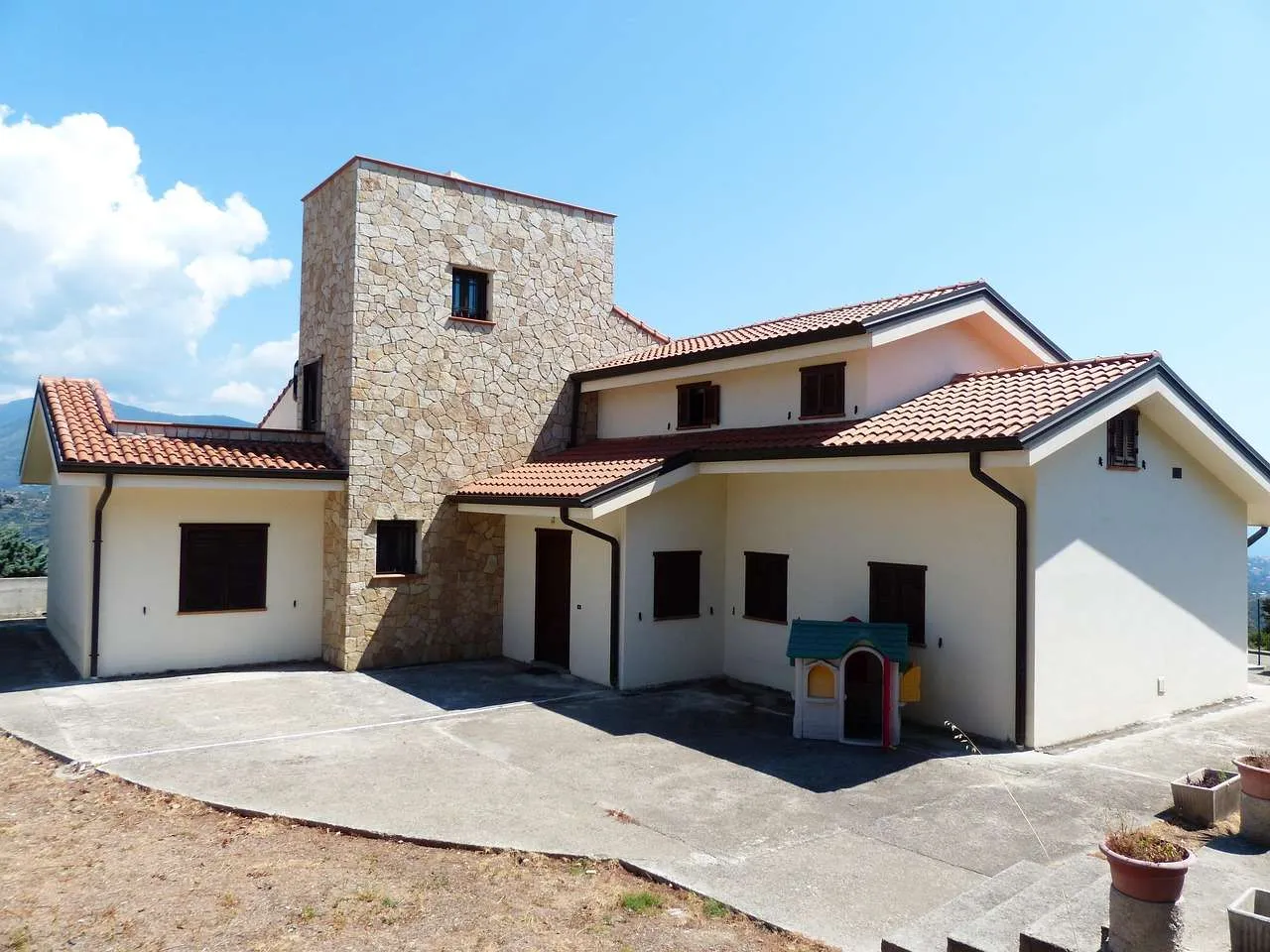
Roofing and roof repairs are essential for safeguarding homes from weather, preserving energy efficiency, and maintaining property value. A sound roof not only shields occupants but also supports insulation, attic ventilation, and overall structural integrity. This guide explains how to identify common problems, evaluate repair versus replacement, estimate costs, and choose a qualified contractor. It reflects industry best practices to help homeowners make informed decisions with confidence and minimize risk.
Understanding roofing and roof repairs
Roofing describes the system of materials, deck, underlayment, and components that form the roof assembly. Roof repairs are the maintenance or fixes applied to address damage or wear. Together, they protect the home from wind, rain, sun, and pests while contributing to energy efficiency and resale value.
Common Roofing Problems
Damaged or missing shingles
Sun exposure, hail, high winds, and improper installation can loosen or lift shingles. Missing or cracked shingles create pathways for water intrusion and can lead to leaks inside the attic and ceilings. Early detection of curling edges, granule loss, or visible gaps helps prevent larger problems.
Leaks and water intrusion
Leaks often begin as a slow drip but can spread along roof decking and insulation unseen. Look for staining on ceilings, damp insulation in the attic, or musty odors. Timely repairs prevent costly interior damage and mold growth.
Flashing failures
Flashing around chimneys, vent pipes, and along valleys must be watertight. Damaged or improperly sealed flashing is a common source of leaks after heavy rain or freezing conditions.
Ice dams and snow load
In cold climates, heat loss can cause snow to melt near the eaves and refreeze, creating ice dams that trap water behind the dam. This can force water under shingles and into the attic. Adequate insulation and ventilation reduce risk.
Moss, algae, and poor ventilation
Organic growth can trap moisture and degrade shingles over time. Poor attic ventilation also contributes to heat and moisture buildup, accelerating wear and reducing roof life.
Roof Materials and Repairs
Different roof coverings have unique repair considerations.
- Asphalt shingles: Most common and affordable; repairs focus on replacing damaged units and sealing flashing.
- Metal roofs: Patches and sealant work on seams, fasteners, and flashing; corrosion protection matters.
- Clay or concrete tiles: Broken tiles and underlayment issues require careful replacement to prevent further cracking.
- Tile and slate: Repairs can be delicate and costly but extend life when properly executed.
In all cases, matching materials, ensuring proper underlayment, and maintaining ventilation are key to durable roof repairs and avoiding recurrent leaks.
Repair or Replace? A Practical Snapshot
Deciding between repair and replacement depends on damage extent, roof age, and budget. The table below outlines typical considerations to help you weigh options with a contractor.
| Aspect | Repair | Replacement |
|---|---|---|
| Typical cost | $300–$1,500 | $5,000–$15,000 |
| Lifespan after work | Varies by material; often 5–15 years for localized fixes | 15–50+ years depending on material |
| Labor and disruption | Lower; quicker job | Higher; may require scaffolding and permits |
| Warranty | Typically 1–5 years | 5–25+ years depending on material |
How to Choose a Roofing Contractor
Hiring a trusted professional is critical to EEAT. Look for:
- Proper licensing and insurance to protect you from liability and ensure compliance.
- References and a portfolio of completed projects with testimonials.
- Clear written estimates, material selections, and a detailed contract.
- Stick to reputable manufacturers and ask about warranties on workmanship and materials.
- Safety protocols and a site clean-up plan to minimize disruption.
Safety and DIY Considerations
Most roofing projects require at least some professional skills. If you are not trained, do not work on the roof during wet or icy conditions, or when wind speeds exceed safe limits. Basic precautions include using fall protection gear, securing ladders, and removing debris safely. For minor, visible damage, a quick temporary patch can stop leaks after a storm, but permanent repair should be done by a qualified roof technician.
Conclusion, by understanding common issues, evaluating repair versus replacement, and hiring a qualified contractor, homeowners can protect their investment, reduce future repairs, and maintain a durable roof for years to come.
%20561-9632-9991f1c4c750?q=80&w=2070&auto=format&fit=crop)