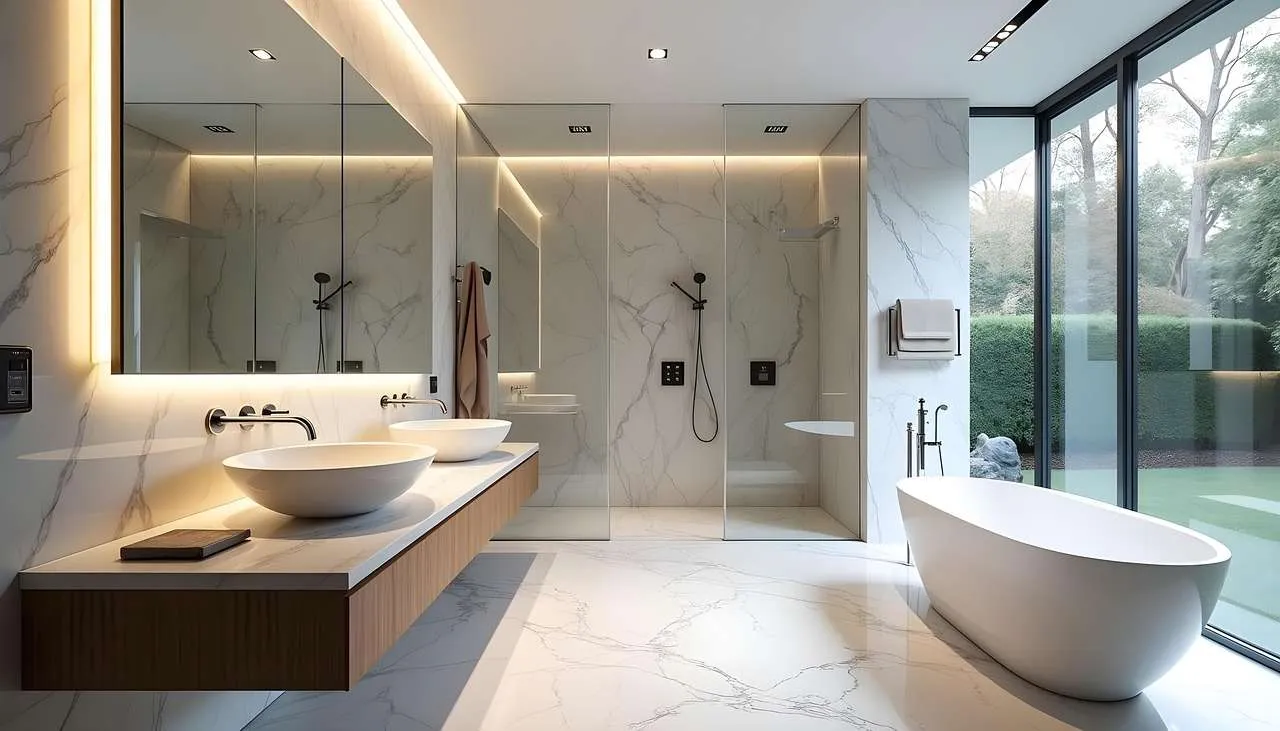
Small bathrooms challenge homeowners and designers to balance function and style. With careful planning, you can maximize every inch without sacrificing comfort. This article shares practical small bathroom ideas drawn from professional design practice, focusing on layout, fixtures, storage, lighting, and materials to deliver an airy, efficient space. Whether you're remodeling an apartment bath or upgrading a powder room, these tips help you achieve a polished result while meeting EEAT standards — demonstrating expertise, credibility, and trust.
Smart planning for small bathrooms
Begin with accurate measurements, door swing clearance, and traffic patterns. If possible, consider pocket or barn doors to reclaim floor space. Use light colors and reflective surfaces to visually enlarge the room. Plan for durable finishes that resist moisture and require minimal maintenance. For homeowners, budgeting and phased upgrades help control costs while ensuring a long-lasting result.
Layout and fixtures
Proportion matters. A wall-mounted toilet and vanity keep the floor open and make cleaning easier. A corner sink or compact pedestal can save precious inches in narrow baths. A frameless glass shower enclosure creates visual openness and reduces visual clutter. Always verify clearances around fixtures; consult a licensed plumber or contractor for any plumbing relocations or code-compliant installations.
Storage solutions
Vertical storage is your ally. Use tall, slim cabinets, recessed niches in the shower, and floating shelves above the sink. Over-toilet storage units maximize hidden space. Choose vanity cores with built-in organizers to minimize clutter. In small baths, multi-purpose furniture such as a mirrored medicine cabinet reduces the number of separate items needed.
Lighting and color strategy
Layer lighting with ambient, task, and accent layers. Use daylight white LEDs for a bright, natural effect. Large mirrors or mirrored backsplashes reflect light and create depth. Light-colored tiles and consistent grout lines help the space feel cohesive and larger.
Fixtures and finishes
Prefer durable, water-resistant materials. Porcelain tiles, quartz countertops, and tempered glass are reliable choices. Consider a shower niche and a low-profile shower tray to maintain a clean line. If your budget allows, opt for water-saving fixtures that reduce utility costs over time.
Comparison table: Space-saving ideas
| Idea | Benefit | Ideal Use | Approx. Cost |
|---|---|---|---|
| Wall-mounted vanity | Creates open floor space and makes cleaning easy | Narrow layouts; limited floor area | Medium-High |
| Corner sink | Uses awkward corners effectively | Very small baths | Low-Medium |
| Frameless glass shower | Visual openness and simple lines | Wet zones with minimal borders | Medium |
| Pocket or sliding door | Eliminates door swing interference | Door-adjacent bottlenecks | High |
| Recessed niches | Eliminates bulky shelving | Shower and wall storage | Low |
Practical tips and common pitfalls
Plan for accessibility: ensure grab bars and non-slip surfaces where needed. Avoid oversized bathtubs in compact baths; consider a shower over tub only if necessary. Choose consistent tile sizes to reduce cutting and maintenance costs. When in doubt, consult a qualified designer or contractor to ensure code compliance and water protection best practices.
Conclusion
Conclusion, thoughtful planning, compact fixtures, and intelligent storage unlock the potential of small bathrooms. By layering light, choosing space-friendly pieces, and keeping clutter to a minimum, you can achieve a stylish, functional bathroom that feels larger than its actual footprint.
%20561-9632-9991f1c4c750?q=80&w=2070&auto=format&fit=crop)