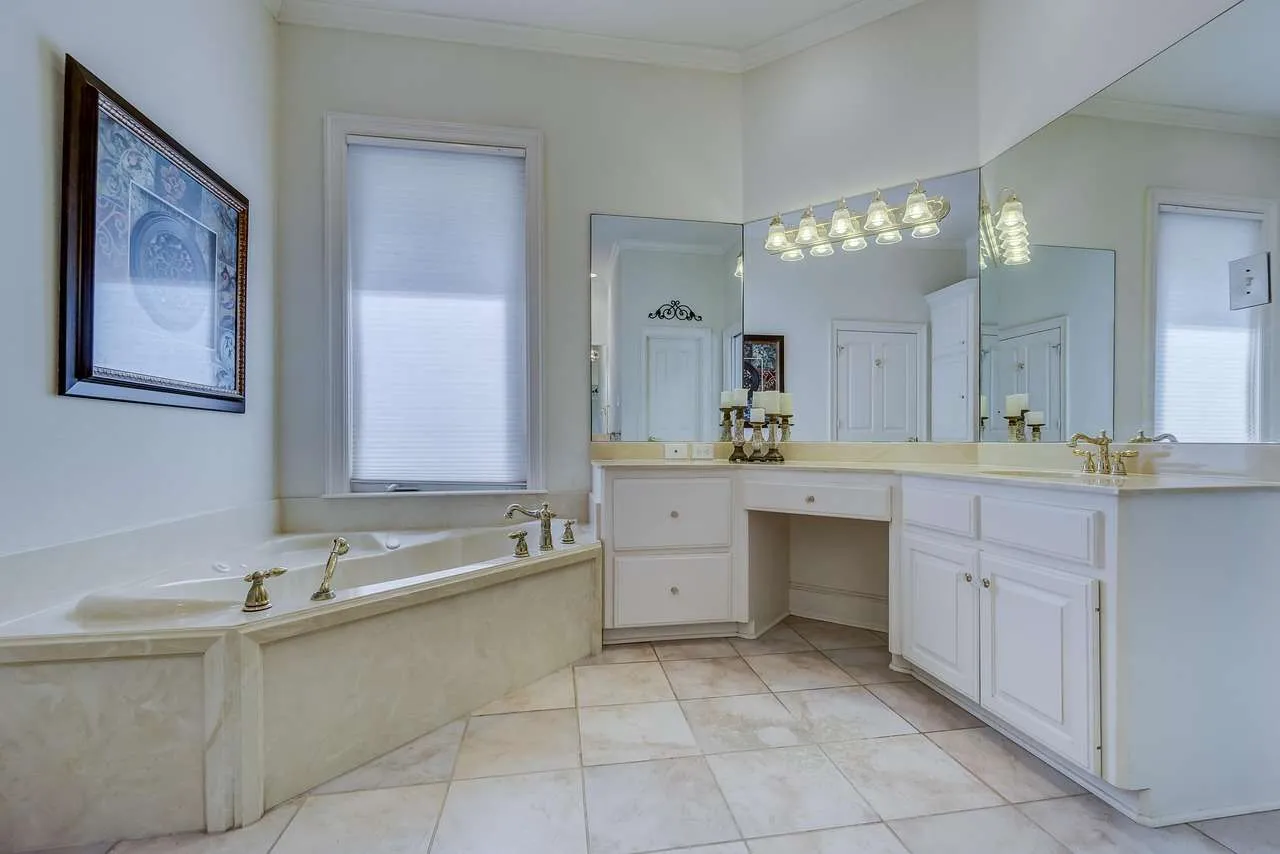
Overview of bathroom tile
Bathroom tile is more than decoration; it provides durability, slip resistance, and moisture control in high humidity spaces. When you choose tile you consider material, finish, size, and installation method. A well-planned tile project improves both aesthetics and resale value. This guide synthesizes practical options, expert recommendations, and cost considerations to help homeowners, designers, and contractors make informed choices.
Materials and finishes
Common bathroom tile materials include ceramic, porcelain, natural stone, glass and cement. Ceramic and porcelain are the most widely used due to affordability and versatility. Ceramic tile is often lighter and easier to cut; porcelain is denser and more water resistant. Natural stone tile delivers luxury but requires sealing and more maintenance; glass tile adds sparkle but shows water spots; cement and encaustic tiles bring pattern and vintage feel but can be porous and require sealing.
Finish and texture
Matte finishes hide footprints; gloss reflects light and can feel cooler. Textured surfaces improve slip resistance but may trap soap scum; look for slip resistance ratings such as DCOF ratings for floors.
Size and layout
Large format tiles reduce grout lines and create a seamless look; smaller tiles offer more design flexibility and better curved surfaces. For bathrooms, options include 6x6, 12x12, 12x24, or even 24x48 depending on wall versus floor use. Subway tiles remain popular for walls; mosaic sheets can create accent borders.
Maintenance and sealing
Porcelain typically requires minimal sealing; natural stone surfaces require sealing to prevent staining; cement tiles may need sealing and occasional resealing. Regular cleaning with pH neutral cleaners protects tile and grout. Avoid acidic cleaners on stone to prevent etching.
Design ideas and layout tips
Mixing textures and colors can define zones in a small bathroom. Use neutral large format tiles for floors and shower walls, then introduce color with contrasting trim, accent tile, or a glass mosaic. Grout choice matters; light grout can enlarge a space but shows dirt; darker grout hides stains but can emphasize grout lines. Consider a shower niche and bench that align with tile patterns to create a cohesive look.
Installation considerations
Professional installation ensures proper waterproofing and levelling, especially for wet areas. A trained installer will prepare surfaces, apply waterproof membranes, and set tiles with appropriate thinset and epoxy grouts for durability. If you DIY, follow local codes, use backer board on walls, and respect slope requirements for shower floors. Always seal grout in moisture prone areas and cure tiles before use.
Cost and budgeting
Costs vary by material, size, and labor. Ceramic tiles can cost from 2 to 6 per sq ft for materials, porcelain 3 to 8, natural stone 7 to 25 or more, plus installation. High end glass or patterned cement tiles may exceed 20 per sq ft. Labor adds roughly 20–50% for complex patterns, waterproofing, and tricky layouts. Budget for additional elements such as underlayment, waterproof membranes, and grout sealer.
Choosing the right tile for different spaces
Bathrooms include walls, shower enclosures, and floors with different needs. Floors require slip resistance and durability; walls can use lighter or more decorative tiles. In wet zones, consider porcelain or glazed ceramic for water resistance; for spa like baths, natural stone suits the aesthetic with proper sealing. Always check slip resistance ratings for floor tiles and ensure proper installation is performed by licensed professionals when possible.
| Tile type | Pros | Cons | Avg cost per sq ft | Maintenance |
|---|---|---|---|---|
| Ceramic | Affordable, versatile colors | Less dense than porcelain | 1–5 | Low to moderate |
| Porcelain | Very durable, water resistant | Can be harder to cut | 3–8 | Low |
| Natural stone | Luxurious look | Sealing required, more maintenance | 7–25 | Moderate to high |
| Glass | Bright, reflective, modern | Delicate, can chip | 5–15 | Low |
| Cement / encaustic | Patterned, unique | Sealing needed, color varies | 6–20 | Moderate to high |
Maintenance and durability
Routine cleaning with a non acidic cleaner prevents soap buildup and mildew. Grout maintenance includes cleaning and sealing when needed, generally every 6–12 months depending on use. Test water absorption and ensure proper ventilation to reduce mold risk in bathrooms. Proper maintenance prolongs tile life and preserves its appearance.
Safety and accessibility considerations
Choose slip resistant floor tiles with a DCOF rating appropriate for wet areas. Large format tiles with flat surfaces reduce trip hazards, while lighter grout colors can improve visibility for visually impaired individuals. Ramps and threshold free showers improve accessibility in remodeled bathrooms.
Summary: In short, selecting bathroom tile blends style with practicality, selecting the right material, size, and finish, planning for installation, and implementing proper maintenance will deliver a durable, beautiful bathroom for years.
%20561-9632-9991f1c4c750?q=80&w=2070&auto=format&fit=crop)